
The Kit and Methods We Rely On for Clean Interview Audio
Helen Marsden explains the microphones, monitoring habits and set-up routines that our audio and interview students practise until clean sound becomes automatic on any location.
Helen Marsden · · 6 minutes to read
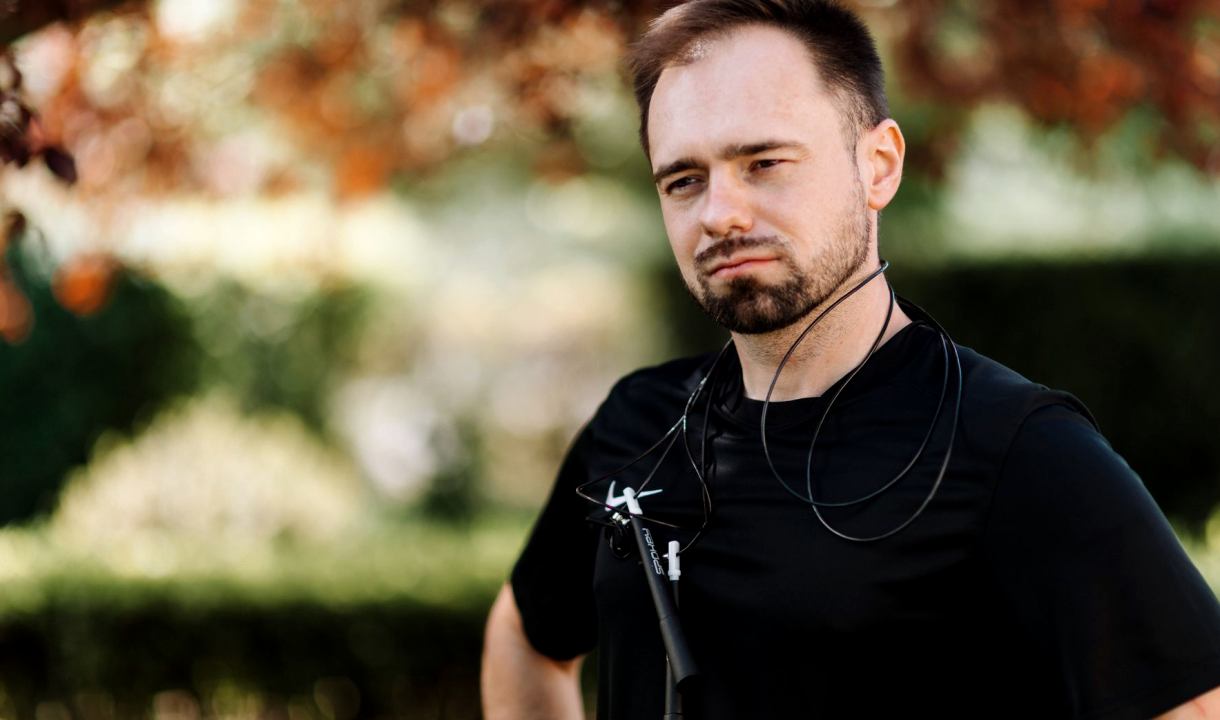
Why we teach kit and method together
When students arrive on the audio and interview course, many of them ask first about equipment: which microphone, which recorder, which cable. It is a fair question, but after years of coaching reporters I answer it the same way each time. The kit matters, yet the method you wrap around it matters more, because a modest microphone placed well will beat an expensive one placed carelessly.
So every exercise we set pairs a tool with a habit. A student learns what a handheld microphone does and, in the same session, learns how to hold it at a steady distance while keeping eye contact with the interviewee. They learn what a lavalier does and how to hide the cable so it does not rustle against a jacket.
That pairing is the thread through this article. I will describe what we put in students' hands, why we chose it, and the routines that make the equipment dependable when a story is moving fast and nobody has time to troubleshoot.
The microphones we put in students' hands
We keep the selection small on purpose. Students work with a handheld reporter's microphone, a clip-on lavalier and a shotgun microphone on a short pole. Three tools cover nearly every situation a reporter or camera operator meets, and learning three properly is better than being vaguely familiar with ten.
The handheld is the workhorse for vox pops and live pieces, so we spend time on distance and angle. The lavalier suits seated interviews and longer conversations, where the subject should forget the equipment is there. The shotgun is the choice when you need to stay out of the frame or follow a moving subject.
We teach each one by letting students hear the failures first. We record the same sentence too far away, too close, off-axis and in a draught, then play the results back. Hearing a boomy, distant or popping recording makes the correct position feel like common sense rather than a rule memorised from a sheet.
Headphones, the tool nobody wants to wear
If I could change one thing about how newcomers work, it would be to make closed headphones a non-negotiable part of the kit. Students often skip them because they feel awkward on location or because the camera screen seems to show everything. It does not. The screen shows you the picture; only headphones tell you about the sound.
In our exercises, every student monitors the interview live. Within minutes they catch things they would never have noticed otherwise: an air-conditioning hum, a distant lorry, a lavalier brushing a collar, a recorder set to the wrong input. Each of these is cheap to fix at the time and almost impossible to fix afterwards.
We also teach students to listen in a particular way. Rather than listening to the words, they listen to the space around the words. That small change of attention is what separates a reporter who notices a problem while the interviewee is still talking from one who finds it in the edit.
Setting up the interview space
Method begins before anyone speaks. We ask students to walk the location with their ears first, switching off what can be switched off and moving the chairs away from windows, fridges and corridors. Ten quiet minutes of preparation will save an hour of regret later.
Placement of the interviewee comes next. We seat people with their backs to soft furnishings where possible, since bare walls bounce sound and add a hollow quality that is hard to remove. The reporter sits close, slightly to one side of the lens, so the subject's eyeline looks natural on screen.
Before recording the real answers, we record a short test and a stretch of room tone. Thirty seconds of silence captured in the same space gives an editor something to lay under cuts, so a join between two answers does not sound like a jump. It is a small habit that students often tell us changed their editing more than any piece of equipment.
Shooting answers that cut together well
Clean sound is half of a good interview; the other half is structure. We teach students to ask open questions, then stay quiet and let the answer finish. Reporters who talk over the end of a reply create overlaps that cannot be edited cleanly, so we practise the discipline of a silent nod while the subject completes the thought.
We also coach a habit of asking people to begin their answer by restating the question in their own words. This makes each reply stand alone in the edit, without the reporter's voice needing to appear. For a camera operator working alone, that single request can make the difference between a usable clip and an unusable one.
Finally, we ask students to vary their framing between questions when they are working with a camera, shifting from a medium shot to a closer one for emotional moments. Cutaways such as hands, the room or a document being examined give the editor places to hide a join. Audio and picture planning belong together, and we treat them that way.
A routine that survives a busy shoot
Most of what we teach comes down to a short routine that students repeat until it needs no thought. Check batteries, check the input, put on headphones, record a test, listen back, then roll. It takes under two minutes, and it catches the majority of the faults that ruin footage.
We drill it in the live online sessions by simulating pressure: a short deadline, a subject who arrives early, a noisy street. Students discover that a calm routine is what holds up when everything else is rushed. The tutors review each recording and give feedback on where the routine slipped.
Autumn brings its own challenges, with wind, rain and shorter daylight pushing more interviews indoors or under cover. We cover foam and fur windshields, sheltering the microphone without hiding the interviewee, and choosing a doorway or car interior over an exposed pavement when conditions turn against you.
Good interview audio rarely comes from a single clever purchase. It comes from a small set of tools you understand, a routine you repeat and the habit of listening before you record. On our audio and interview course we build those three things together, so that students leave able to produce clean, editable sound on an ordinary location with ordinary equipment, and to fix problems while the subject is still in the chair.
Send us a message
- Phone
- 01206 574 318
- By email
- hello@infomiro.info