
Five courses for field camera and reporting work
Browse what infomiro teaches reporters, camera operators and newsroom teams, from handheld shooting to live coverage, with recorded feedback and live online sessions.
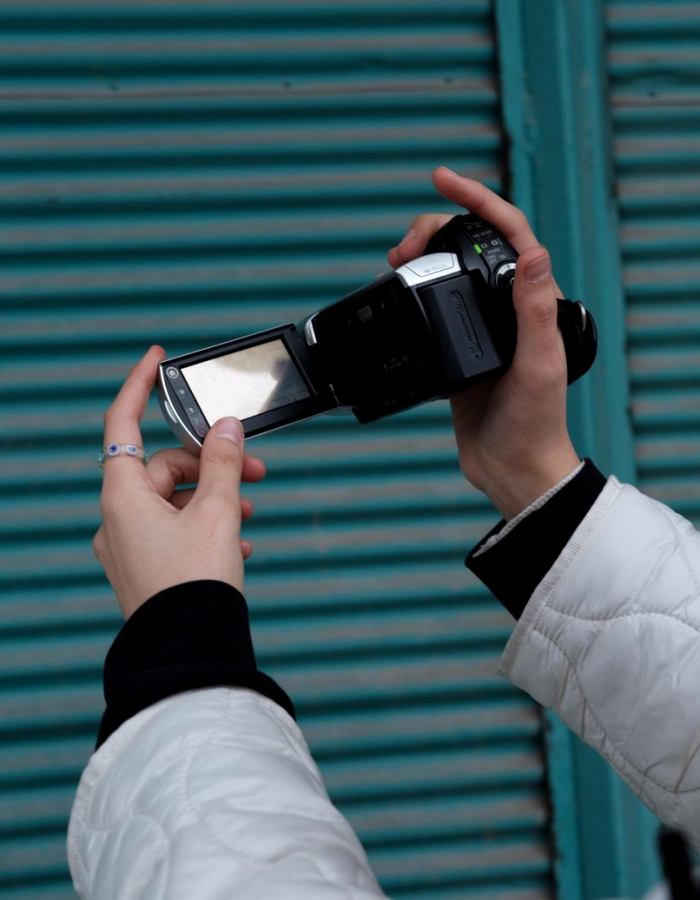
The courses we run for field journalists
Field Camera Fundamentals
A course on framing, exposure, focus and steady handheld shooting for news and location work.
On-Camera Reporting Coaching
One-to-one coaching on delivery, scripting to camera and calm presence in front of the lens.
Live Coverage Workshops
Online workshops on planning, ad-libbing and managing the unexpected during live broadcasts.
Audio and Interview Technique
Training in capturing clean sound and shooting interviews that cut together well.
Newsroom Team Training
Tailored sessions for newsroom teams who want shared standards for field shooting and reporting.
Not sure which course fits your role or your current kit? Tell us what you shoot and where you struggle, and we will point you to the right starting place.
ContactField Camera Fundamentals
This course is for reporters who shoot their own material and for new camera operators who want sound habits. It runs online, with practice clips you record on your own kit and review with Daniel Whitcombe.
Contact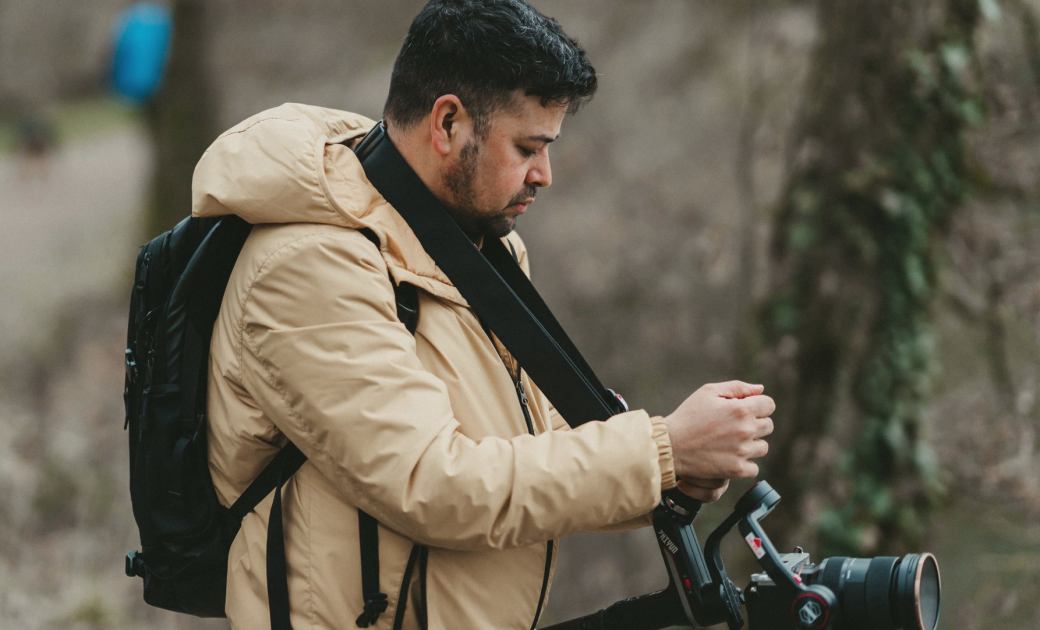
- Framing and composition
- You learn how to frame a talking head, a wide establishing shot and a cutaway so that each one earns its place in the edit. Daniel reviews your clips and marks where the frame fights the story.
- Exposure and focus
- We cover reading light on location, setting exposure by eye and by meter, and holding focus on a moving subject. You practise in changing light and learn which compromises are safe.
- Steady handheld shooting
- Handheld work is taught as a set of body positions and movements rather than a trick. You record short drills at home and receive notes on wobble, breathing and pacing.
- Shooting for the edit
- The final module is about coverage: getting enough variety and clean entrances and exits so an editor can build a sequence. You submit a short story package and receive written feedback.
Have a camera you can control manually, a tripod if you own one, and a few minutes of recent footage ready to share in the first session.
From first message to finished coaching
The route is the same for every course. You write to us, we agree what you need, and we confirm the details in writing before anything begins.
-
Send an enquiry
Use the contact form to tell us your role, your kit and what you want to improve. Priya Nair reads every message and replies with questions where something is unclear.
-
Agree the course
We suggest a course or a combination and set out what it covers, how many sessions it involves and what you will need. Nothing is fixed until you are happy with the plan.
-
Receive a quotation
You get a written quotation or confirmation stating the price and what it includes. Payment is by invoice and bank transfer, as described on the prices page.
-
Record and submit
You complete the practice tasks on your own equipment and upload recordings. Your tutor watches them closely and sends feedback you can return to as often as you like.
-
Join live sessions
Live online sessions let you ask questions, repeat exercises and work on the points your recordings raised. You finish with a clear list of habits to keep practising.
Send us a message
- Phone
- 01206 574 318
- By email
- hello@infomiro.info