A look at the kind of exercises our students record, from handheld framing drills to street interviews and live-style stand-ups, with notes on what each one trains.
Exercises from recent courses
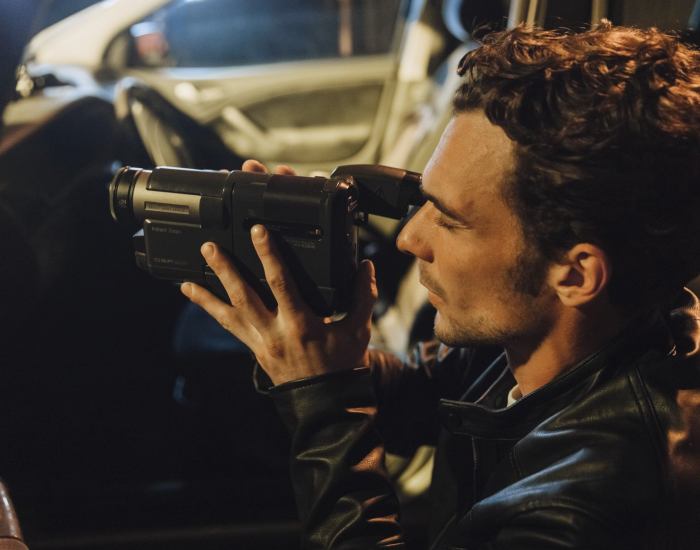
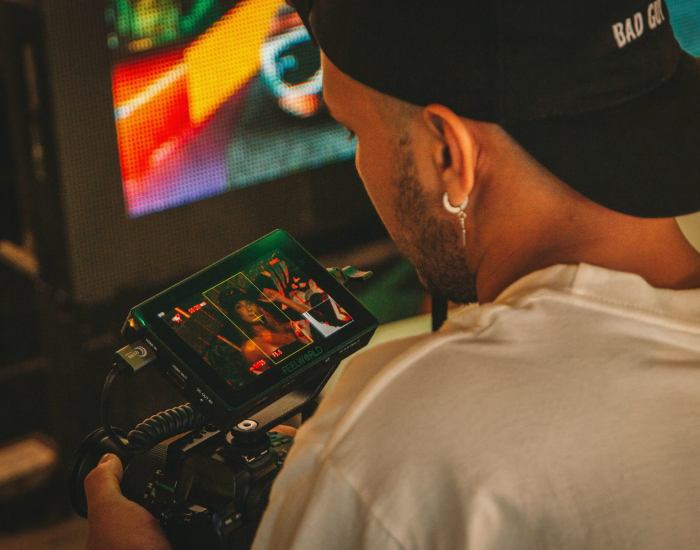
Handheld walking shot drill
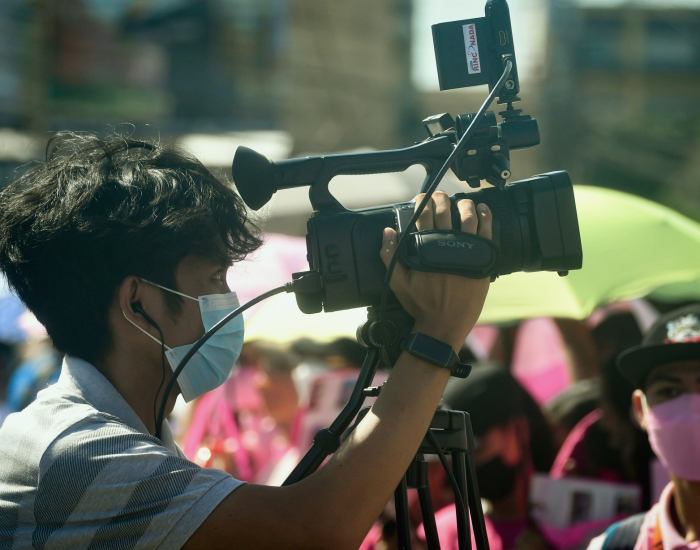
Stand-up to camera practice
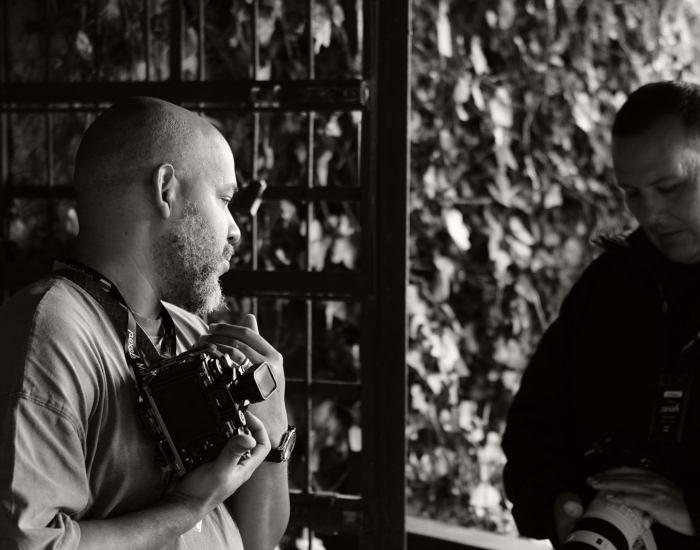
Two-person interview framing
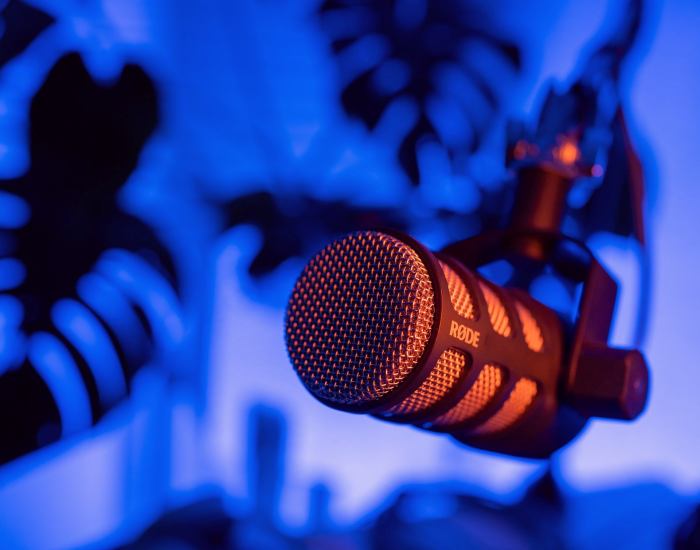
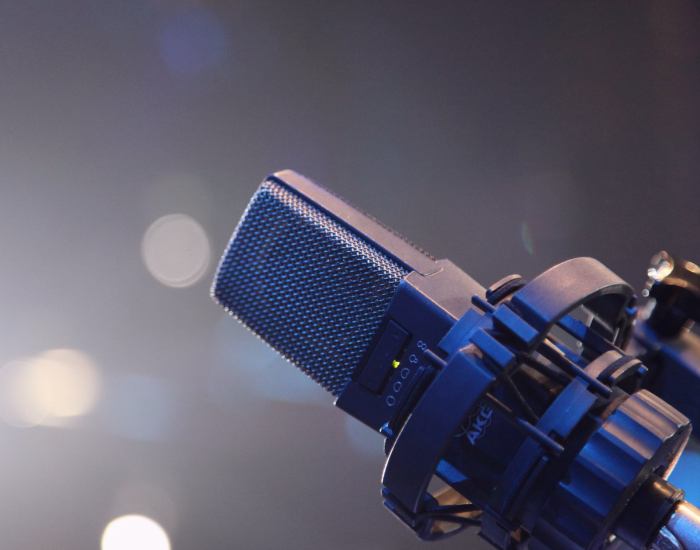
Boom microphone placement
Live-style location rehearsal
Reviewing footage after a shoot
Training behind the work
Audio and Interview Technique
01
Clean sound on location
You learn to choose and place microphones, monitor with headphones and spot problems such as wind, hum and room echo before you press record. Exercises use the equipment you already own.
02
Setting up an interview
We work through where to place the subject, camera and interviewer so the frame is balanced and the sound is controlled. You record a short interview and receive notes on the setup.
03
Questions that cut well
Good answers need good questions. You practise open, short questions and learn to leave a pause so the response ends cleanly and an editor has room to cut.
04
Cutaways and coverage
Interviews need pictures that support them. You plan and shoot reaction shots, hands and settings, then review how they sit alongside the main interview in a rough edit.
About this work
How we use student recordings in teaching
Student recordings are the raw material of every course. We watch them closely, return notes and use them to decide what to cover next in live sessions. They are working exercises, not polished showreels.
Why practice is recorded
Watching your own footage is the quickest way to see habits you cannot feel while shooting. A slightly tilted horizon, a rushed ending to a sentence or a microphone that drifts into shot becomes obvious on playback. Tutors mark the moment and explain what to change. You can pause, replay and compare your later attempts with your first one, which makes progress easy to see.
What feedback looks like
Feedback arrives as written notes and, where it helps, a short spoken recording from your tutor. Notes name specific moments in your clip rather than offering general comments. Each set ends with one or two things to focus on next, so practice stays manageable. Live sessions then give you the chance to try those changes with someone watching and ready to adjust your approach.
Respect for contributors
Exercises often involve real people on location, so we encourage students to ask permission before recording and to explain how footage will be used. Material shared with tutors is used for teaching only. If a recording includes someone who later asks not to appear, we set it aside and do not use it again in any session.