
What On-Camera Reporting Coaching Costs and What Moves the Price
A plain account of how one-to-one coaching for reporters is priced, what each session includes, and which choices make a programme cost more or less.
Daniel Whitcombe · · 6 minutes to read
Why coaching is priced per person, not per head in a room
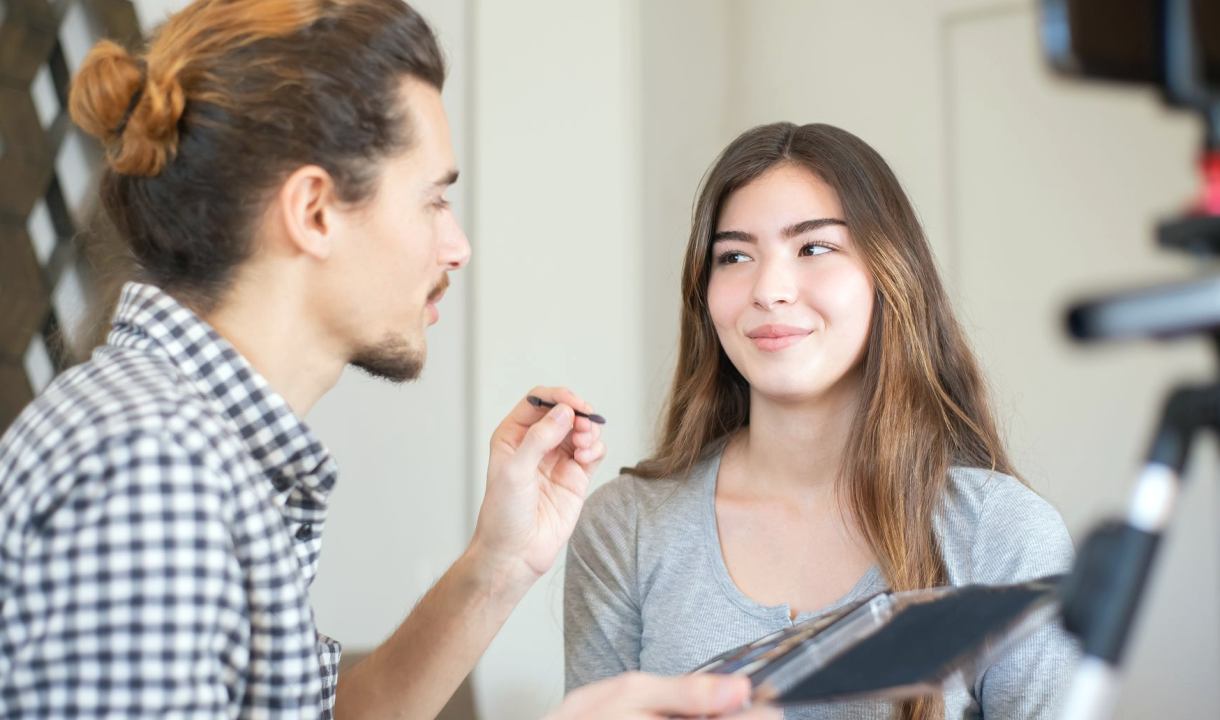
On-Camera Reporting Coaching is one-to-one by design. You work with a tutor on your own delivery, your own scripts and your own habits in front of the lens, so the price follows the tutor's time rather than a seat in a class. That is the first thing to understand when you compare it with a group course: nobody else shares the cost of the hour you are in.
Each session is built around recordings of you. You deliver a piece to camera, we watch it back together, and the tutor marks where your pace slips, where your eyes drift and where a sentence is written for the page rather than the ear. Preparing for that, and writing up feedback afterwards, is part of what you pay for, not a hidden extra.
When people ask me whether coaching is worth the money, I tell them to judge it by the number of sessions they will actually use, not by the hourly figure alone. A reporter who needs two sharp sessions before a new role has a very different bill from someone rebuilding their delivery over a season.
What the session fee includes
The session fee covers the live online hour with your tutor, the review of the recorded takes made in that hour, and written notes sent to you afterwards so you can practise without having to remember everything said. Scripting to camera is included: if you bring a draft, we edit it for speaking rather than reading.
It also covers a short look at your set-up. Many reporters coach from a spare room or a car park, and small changes to where the lens sits, how you stand and where you look make more difference than people expect. We deal with that within the hour rather than charging separately.
What is not included is equipment, travel, or the filming of a new piece away from the session. If you want a tutor to review a package you recorded between sessions, that is arranged and quoted in writing first, so the total never moves without you agreeing to it.
The main things that move the price
Three things do most of the work. The first is the number of sessions: a single session costs more per hour than a block, because planning and onboarding are spread over fewer meetings. The second is session length, since a longer slot lets us record, review and re-record without rushing.
The third is how much preparation your case needs. A confident reporter who wants polish on live ad-libbing needs less groundwork than someone moving from print who has never spoken to a lens. Neither is better or worse; they simply ask for different amounts of tutor time, and the quotation reflects that honestly.
Which tutor you work with can also matter, because our reporting specialists and camera specialists cover different ground. Most coaching sits with the reporting side, but if your questions are mostly about framing and how you look on screen, the brief may be split, and we say so in the quotation.
Things people expect to pay for that we do not charge for
There is no joining fee and no charge for the first conversation. Priya answers enquiries from new learners and will tell you plainly whether coaching suits what you describe, even when the honest answer is that a shorter option would serve you better.
We also do not charge extra for rewriting a script during a session, or for a quick follow-up question by email on something the notes did not make clear. Reasonable questions after a session are part of the service.
Where costs do change is when a request grows. A second round of detailed script work between sessions, or a request to review a long package of recorded material, is more tutor time. We agree it in writing before it begins, because a reporter should never find a bigger invoice than the one they accepted.
How ordering and payment work
Nothing is bought on this site, and there is no checkout. You begin with an enquiry through the contact page, telling us your role, what you want to improve and roughly when. We reply with a written quotation or confirmation that lists the sessions, their length and the total in pounds sterling.
Once you are happy with it, we send an invoice, which you pay by bank transfer. Sessions are then scheduled with your tutor at times that suit your shifts, which for many reporters means early mornings or evenings around the news day.
If your plans change, cancellations and refunds follow the payment and refund policy, which is worth reading before you accept a quotation. It sets out in plain terms what happens if you need to move or cancel a session, so there are no surprises on either side.
Choosing the amount of coaching that fits
Start from a specific problem rather than a general wish to improve. Rushing your opening line, freezing when a live link overruns, or sounding stiff when you read a script are all things a few focused sessions can address, and naming one makes the quotation simpler and the money better spent.
If you are unsure, ask for a smaller block first. It is easy to add sessions once you have felt how the recorded feedback works; it is harder to feel good about a long programme you committed to before you knew the format. We would rather you came back than felt tied in.
Finally, think about practice time. Coaching works when you use the notes between sessions, so a spread-out schedule often gives better value than cramming several hours into a single week, even though the fee for the sessions themselves is the same.
The price of On-Camera Reporting Coaching comes down to tutor time: how many sessions, how long, and how much preparation your situation needs. Ask for a written quotation through the contact page, check that it lists what is included, and start with a block you can realistically use. Honest numbers, agreed in writing, are the best foundation for coaching that actually improves how you sound and look on air.
Send us a message
- Phone
- 01206 574 318
- By email
- hello@infomiro.info