
When the live link dropped: one reporter's night at a Live Coverage Workshop
Meet Callum, a freelance reporter who joined our online live coverage workshop after a shaky first broadcast, and see what he changed in how he plans and ad-libs.
Daniel Whitcombe · · 6 minutes to read
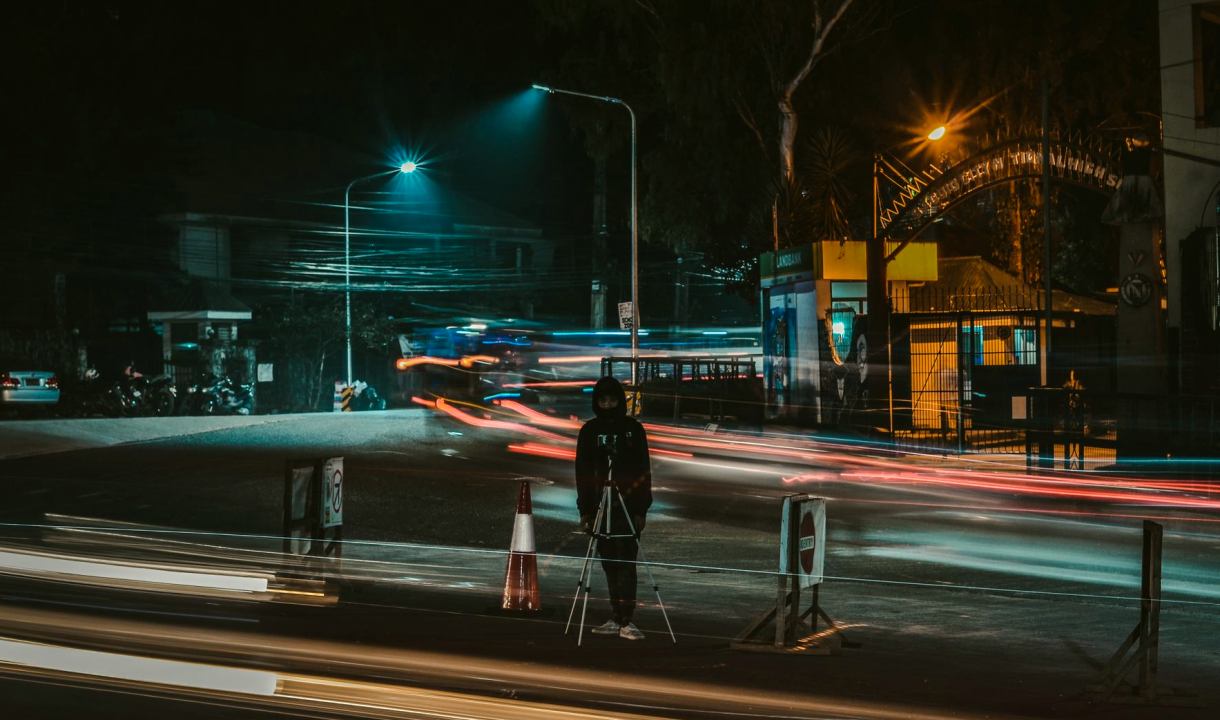
A reporter with a bad memory of going live
Callum is a freelance reporter based in the east of England, and he came to our Live Coverage Workshops in the early weeks of autumn. He had covered a flooded car park for a regional outlet, and his first live hit went badly. The link froze for several seconds, his notes blew about in the wind, and he filled the silence with a string of apologies that the presenter in the studio had to talk over.
When we spoke before the first session, he was blunt about it. He did not want a lecture on confidence. He wanted a way to stop his mind going blank when something went wrong while the red light was on. That was a fair brief, and it shaped how I approached his sessions from the start.
I should say that I teach camera, not presenting, so I sat in on his sessions alongside Helen Marsden, who leads our reporting side. Between us we could look at both what the lens was seeing and what he was saying into it, which is how most live problems turn out to be tangled together.
Planning the hit before the hit
The workshop begins with planning, and Callum found that the dullest part was the most useful. We asked him to write down the three things a viewer must know by the end of a ninety-second live segment. Not ten points, not a script, just three. Everything else was allowed to fall away if time ran short.
Next came the shape of the segment. He sketched an opening line, a middle that moved between the scene and one person's account, and a way out that handed back to the studio cleanly. We asked him to say the first and last sentences aloud until they were steady, because those are the two moments where a nervous reporter loses the thread.
He also learned to ask the production team two questions before going on air: how long is my slot, and what will you do if I overrun or the picture fails. A surprising number of live problems come from never having asked.
Practising the ad-lib when it all goes wrong
The part Callum dreaded was the part we spent the most time on. In an online session, we built small disasters into the exercise. A cue was missed, the producer's voice cut out, a passer-by walked into shot, a note went missing. He had to carry on talking and keep the viewer oriented while we watched.
The method is plain. Return to your three facts. Describe what is in front of you in simple, concrete words, such as the water level against the kerb or the number of vehicles still parked. Description buys you time and is almost always accurate, which matters more than sounding polished.
By the third attempt he stopped apologising on air. He treated the glitch as part of the scene, said one calm sentence about it where it was relevant, and moved on. The recorded feedback let him hear how much shorter and steadier those recoveries had become.
Camera and kit choices that protect a live shot
Since I teach camera, I went through his set-up in detail. He had been shooting handheld in wind with the lens wide open, which made the picture drift and soften the moment the light changed. We talked through a tripod, a steadier stance, and a fixed exposure setting he could trust instead of one that hunted.
We also covered the dull but vital checks: battery levels, spare cards, a second source of audio if the first fails, and a walk-through of the framing with a colleague standing in his spot. None of this is glamorous, yet it removes whole categories of trouble before the broadcast begins.
Callum told us the biggest change was a short written checklist taped inside his kit bag. He ran through it before each assignment, and it gave him something to do with his nerves in the minutes before going live.
What changed on his next live assignment
A few weeks later Callum covered a road closure live for the same outlet. He told us afterwards that the link wavered for a moment, and he noticed his old reflex rising, then simply described the lorries queuing behind him and carried on until the picture steadied. The studio never had to rescue him.
He was careful not to overstate it. He still felt the nerves, and he said so. What had changed was that he now had something to do with them: a plan, a handful of phrases he trusted, and a calm way to fill a gap.
That is a modest result, and I think an honest one. A workshop cannot remove the unexpected from live television. It can make the unexpected familiar enough that you stop being afraid of it.
What I took from working with him
Working with Callum reminded me that the people who struggle with live coverage are rarely lacking talent. They are usually missing rehearsal of the awkward moments, which broadcasters seldom allow time for. Our online format lets someone fail safely, watch the recording, and try again that same week.
I also saw how much of live work depends on small habits: asking the right question of the producer, choosing three facts, checking the kit. None of these needs expensive equipment or a large newsroom, which makes them within reach of a freelancer working alone.
If you have had a live hit go wrong, you are in good company, and it is more fixable than it feels in the hours afterwards.
Callum's story is one case, not a rule, but it shows what the Live Coverage Workshops are for: planning a short segment around a few clear facts, practising recovery from small failures, and preparing your kit so less can go wrong. If a past live broadcast still bothers you, write down what happened and bring it to the first session. It is a good place to start.
Send us a message
- Phone
- 01206 574 318
- By email
- hello@infomiro.info